Understanding Mold and Its Risks in Vancouver
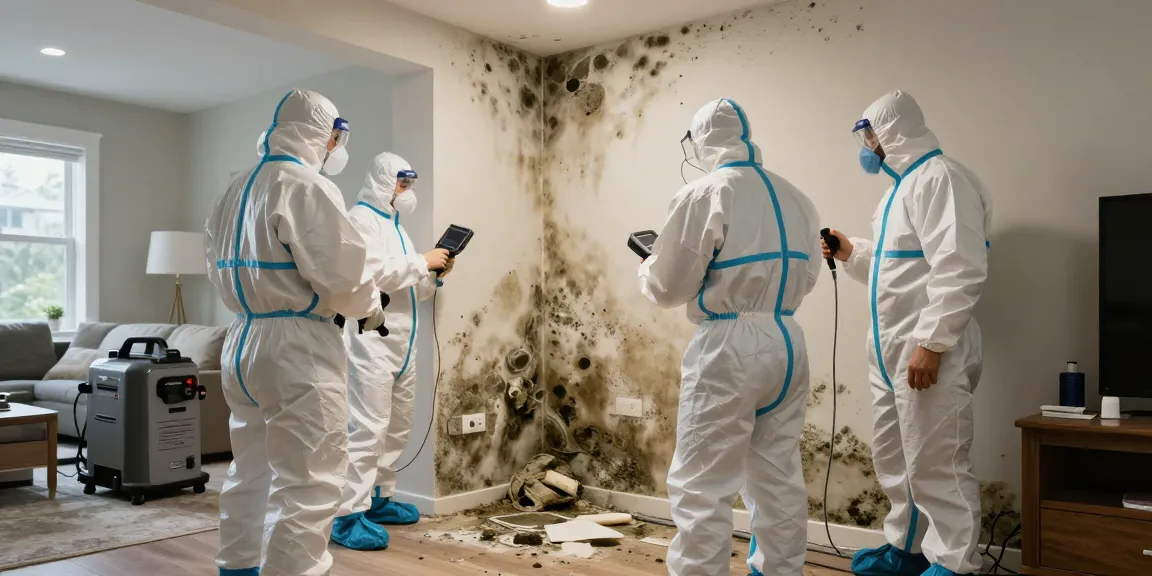
Mold is a common issue faced by homeowners and businesses in Vancouver due to the city’s coastal climate, characterized by high humidity and frequent rainfall. Understanding mold and its implications is crucial for maintaining a healthy living environment. Whether you are a homeowner, tenant, or a business owner, recognizing the risks associated with mold can help you take proactive measures to protect your property and health. For effective solutions, Mold Remediation Vancouver is essential and should be considered if you suspect mold growth.
What is Mold and Why It Grows?
Mold is a type of fungus that thrives in moist and warm environments. It reproduces through tiny spores that are airborne, facilitating its spread. In Vancouver’s damp climate, mold can grow on various surfaces such as wood, drywall, and fabric if the conditions are right. Common places where mold may be found include bathrooms, kitchens, basements, and areas with water damage.
Health Risks Associated with Mold Exposure
Exposure to mold can lead to a variety of health issues, especially for sensitive individuals with allergies, asthma, or weakened immune systems. Common symptoms include:
- Respiratory problems such as coughing and wheezing
- Skin irritation and rashes
- Eye irritation including redness and itchiness
- Headaches and fatigue
In severe cases, mold exposure can exacerbate existing health conditions or lead to more serious infections. It’s essential to address mold issues promptly to minimize health risks.
Common Signs of Mold Infestation in Homes
Recognizing the signs of mold infestation can help you take action before it becomes a significant issue. Look out for:
- Visible mold growth on walls, ceilings, or floors
- Musty odors that linger in certain areas
- Water stains or discoloration on surfaces
- Peeling or bubbling paint and wallpaper
If you notice any of these signs, it’s crucial to contact mold remediation professionals to evaluate the extent of the problem.
Effective Mold Remediation Techniques
Once mold has been identified, the next step is effective remediation. Understanding the proper techniques is vital for successful mold removal and prevention of future growth.
Step-by-Step Mold Remediation Process
The mold remediation process generally follows several key steps designed to ensure a thorough removal and prevention of future outbreaks:
- Assessment: A thorough inspection to identify mold sources and assess the extent of the infestation.
- Containment: Establishing barriers to prevent the spread of mold spores during the removal process.
- Filtration: Use of HEPA filters to clean the air and eliminate airborne mold spores.
- Removal: Safely removing mold-infested materials and cleaning affected areas with antifungal treatments.
- Restoration: Repairing any damage caused by mold and ensuring moisture control to prevent future growth.
Importance of IICRC Standards in Remediation
The Institute of Inspection, Cleaning and Restoration Certification (IICRC) sets industry standards for mold remediation. Following these standards ensures that the process is completed safely and effectively, protecting both the property and its occupants. Companies that adhere to IICRC standards are better equipped to handle mold remediation efficiently.
Tools and Equipment Used in Mold Remediation
Proper tools and equipment are essential for effective mold remediation. Key items include:
- HEPA vacuums for capturing microscopic mold spores
- Moisture meters to detect hidden moisture sources
- Air scrubbers to filter and purify the air
- Personal protective equipment (PPE) to ensure the safety of the remediation team
Utilizing the right tools not only expedites the remediation process but also enhances safety for everyone involved.
Choosing the Right Mold Remediation Service
Selecting a qualified mold remediation service is crucial for effective treatment and prevention. Not all services are equal, so it’s important to know what to look for.
What to Look for in a Mold Remediation Company
When choosing a mold remediation company, consider the following factors:
- Certification: Ensure the company is certified by IICRC or another recognized body.
- Experience: Look for companies with a proven track record in mold remediation.
- Reviews: Check customer reviews and testimonials to gauge satisfaction levels.
- Transparency: A good company should provide clear information about their process, costs, and potential outcomes.
Questions to Ask Potential Contractors
It’s essential to ask the right questions to potential contractors to ensure you make an informed decision:
- What is your remediation process, and how do you ensure safety?
- Do you provide a written estimate and scope of work?
- How do you handle the source of moisture that caused the mold?
- Can you provide references from past clients?
The Role of Certifications in Mold Remediation
Certifications are critical in the mold remediation industry as they demonstrate a company’s knowledge and adherence to safety standards. Ensure that the technicians working on your property are IICRC certified to guarantee a professional approach to mold remediation.
Preventing Future Mold Growth in Vancouver Homes
Once mold has been remediated, preventing future growth is essential, especially given Vancouver’s climate. Here are some strategies to keep your home mold-free.
Identifying and Managing Moisture Sources
Identifying sources of moisture is the first step in preventing mold. Common sources include:
- Leaks from roofs, windows, and plumbing
- High indoor humidity, particularly in kitchens, bathrooms, and laundry rooms
- Poor ventilation in areas prone to moisture buildup
Addressing these sources promptly can significantly reduce the risk of mold growth.
Home Maintenance Tips to Prevent Mold
Regular home maintenance can greatly diminish mold risks. Consider the following:
- Inspect and repair any water leaks immediately
- Ensure proper ventilation, especially in high-moisture areas
- Use dehumidifiers in damp areas of your home
- Clean and maintain gutters to prevent water buildup
Staying proactive with maintenance can help maintain a mold-free environment.
Utilizing Antimicrobial Treatments for Ongoing Protection
After remediation, applying antimicrobial treatments to surfaces can provide an additional layer of protection against future mold growth. These treatments inhibit mold spore growth, which is particularly useful in moisture-prone areas.
Frequently Asked Questions about Mold Remediation Vancouver
In this section, we address some common queries regarding mold remediation in Vancouver, helping to clarify different aspects of the process.
What Does Mold Remediation Cost in Vancouver?
The cost of mold remediation can vary based on several factors such as the extent of the infestation, the area affected, and the specific techniques required. It’s essential to obtain estimates from multiple services for comparison.
Can I Stay in My Home During Mold Remediation?
Whether you can remain in your home depends on the severity of the mold issue. For minor infestations, staying may be possible; however, major mold issues often necessitate temporary relocation during the remediation process for safety and health considerations.
How Long Does the Mold Remediation Process Take?
The duration of mold remediation varies significantly based on the size of the affected area and the severity of the mold growth. Typically, it can take anywhere from a few hours to several days to complete the process.
Will Mold Return After Remediation?
If the underlying moisture issue is not addressed, mold can return after remediation. Ensuring proper moisture control, ventilation, and ongoing maintenance is key to preventing recurrence.
What Should I Do if I See Mold?
If you notice mold in your home, the first step is to contact a professional mold remediation service to assess and address the problem effectively. Avoid attempting to clean it yourself, as surface cleaning often just masks the underlying issue.