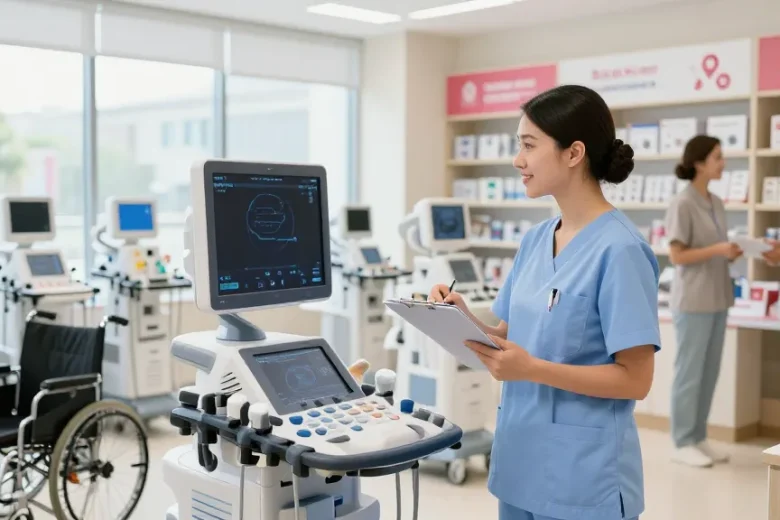
Understanding the Importance of Buying Medical Equipment
In the dynamic landscape of healthcare, the importance of acquiring the right medical equipment cannot be overstated. Healthcare professionals rely on various devices and tools to ensure accurate diagnostics, effective treatment, and optimal patient care. Consequently, understanding the nuances of buying medical equipment is essential for any healthcare provider aiming to deliver high-quality services. When exploring options, buy medical equipment that meets your specific needs can significantly enhance your operational efficacy and patient outcomes.
Why Medical Equipment is Vital for Healthcare Professionals?
Medical equipment is integral to the functioning of healthcare systems. It encompasses a wide range of tools, from simple thermometers to complex imaging machines like MRIs. Each piece plays a critical role in patient assessment, treatment, and monitoring. Without the presence of reliable equipment, healthcare providers face challenges in delivering timely and effective care. For example, diagnostic imaging equipment allows for early detection of diseases, which is crucial in treatment planning.
Common Equipment Types and Their Functions
Understanding the different types of medical equipment is vital for effective purchasing decisions. Common categories include:
- Diagnostic Equipment: Devices like X-ray machines and ultrasound equipment help diagnose medical conditions.
- Therapeutic Equipment: This includes ventilators and infusion pumps, which are essential for administering treatments.
- Monitoring Devices: Equipment like ECG machines and patient monitors track patients’ health metrics continuously.
- Support Equipment: Tools such as wheelchairs and hospital beds are critical for patient mobility and comfort.
The Impact of Quality Equipment on Patient Care
High-quality medical equipment is directly linked to better patient outcomes. When healthcare providers invest in reliable tools, they enhance their ability to diagnose and treat patients accurately. This not only improves the quality of care but also fosters trust within the patient-provider relationship. Furthermore, equipment that is well-maintained and of higher quality tends to have lower failure rates, reducing the risk of complications during treatment.
How to Choose the Right Medical Equipment for Your Needs
Choosing the right medical equipment can be daunting due to the vast array of options available. However, by assessing specific needs and conducting thorough evaluations, healthcare providers can make informed decisions that align with their operational goals.
Assessing Your Specific Medical Requirements
Before making a purchase, it’s crucial to evaluate the specific needs of your practice or hospital unit. This includes considering the patient demographics you serve and the types of conditions you frequently diagnose and treat. Collaborating with clinical staff can provide insights into the tools they need to enhance patient care.
Evaluating Equipment Quality and Manufacturer Reputation
Quality should never be compromised when purchasing medical equipment. It’s essential to research manufacturers and their reputation within the healthcare community. Look for certifications from relevant regulatory bodies, such as the FDA or Health Canada, to ensure the devices meet safety and efficacy standards. User reviews and feedback from other healthcare professionals can also provide valuable insights.
Budgeting for Medical Equipment Purchases
Budget considerations are an imperative part of the purchasing process. Medical equipment can be a significant investment, and it’s essential to plan accordingly. Consider not only the initial purchase price but also long-term costs such as maintenance, training, and potential upgrades. Explore financing options or leasing plans that may provide more flexibility for your practice.
Where to Buy Medical Equipment: Options and Considerations
With numerous purchasing channels available, healthcare facilities must carefully evaluate where to buy their medical equipment. Each platform has its own set of advantages and disadvantages that can affect the buying decision.
Online vs. Brick-and-Mortar Medical Supply Stores
Purchasing equipment online offers convenience and access to a broader range of products. However, visiting a brick-and-mortar store allows healthcare professionals to see and test the equipment before purchasing. Weighing these options based on your specific needs and preferences can streamline the buying process.
Pros and Cons of Different Purchasing Platforms
When comparing different purchasing platforms, consider the following:
- Online Retailers: Access to competitive prices and a wide selection, but may lack personalized service.
- Local Suppliers: Provide support and immediate access, but may have limited inventory and higher prices.
- Auctions and Resale: Potentially cost-effective options for refurbished equipment, but usually comes with limited warranties.
Understanding Warranties and Return Policies
Warranties and return policies are crucial when buying medical equipment. Ensure that you understand the terms of service, as they can vary significantly between manufacturers and suppliers. A solid warranty can protect your investment in case of defects or malfunctions while a transparent return policy can provide recourse if the equipment does not meet your requirements.
Navigating Common Challenges When Buying Medical Equipment
While the purchasing process may seem straightforward, several challenges can arise, especially in the rapidly evolving healthcare sector. Understanding these hurdles can better prepare you for effective equipment acquisition.
Overcoming Misconceptions About Used Equipment
Many healthcare professionals are hesitant to consider used medical equipment due to misconceptions about quality and reliability. However, reputable suppliers often refurbish equipment to meet stringent safety standards. Understanding the refurbishment process and guarantees can open up cost-effective options without compromising patient safety.
Addressing Supply Chain and Availability Issues
Supply chain disruptions have become increasingly common in recent years, leading to difficulties obtaining necessary equipment. Developing relationships with multiple suppliers and being proactive about inventory can mitigate these disruptive impacts, ensuring that your facility is well-prepared for patient care continuity.
Strategies for Dealing with Equipment Maintenance Costs
Maintenance expenses can accumulate over time, impacting the overall budget for medical equipment. To manage these costs effectively, consider establishing regular maintenance schedules and exploring service contracts with equipment manufacturers. Educating staff on proper usage can also extend the lifespan of the devices.
Future Trends in Medical Equipment Purchasing for 2026
The landscape for medical equipment purchasing is expected to change significantly by 2026. Understanding these trends will help healthcare professionals stay ahead of the curve and make informed decisions.
Advancements in Medical Technology and Their Impact
The rapid pace of technological advancements is giving rise to innovations in medical equipment. From AI-enhanced diagnostic tools to telemedicine solutions, the equipment landscape is set for transformation. Investing in cutting-edge technology will be essential for healthcare facilities to remain competitive and deliver high-quality patient care.
Shifting Consumer Preferences and Buying Behaviors
As patients become more informed and engaged in their healthcare decisions, the demand for transparency in purchasing processes is increasing. Healthcare providers will need to adapt their purchasing strategies to meet consumer expectations, prioritizing quality and reliability as key decision factors.
Preparing for Regulatory Changes in Medical Supplies
Regulatory environments are continually evolving, particularly concerning medical devices. Staying informed about potential changes can ensure compliance and mitigate risks. Healthcare professionals should actively participate in industry discussions and updates to remain compliant with new regulations regarding medical supplies.
What are the key factors to consider when purchasing medical equipment?
Key factors include assessing specific medical needs, evaluating manufacturer reputation and equipment quality, considering budgetary constraints, and understanding warranty and return policies.
How can buying high-quality medical equipment benefit my practice?
Purchasing high-quality equipment can enhance diagnostic accuracy, improve patient outcomes, reduce maintenance costs, and foster trust in patient-care relationships.
Are there financing options available for medical equipment purchases?
Yes, many suppliers offer financing plans or leasing options that can ease the initial financial burden of purchasing medical equipment.
What trends should I be aware of in medical equipment for 2026?
Healthcare professionals should be aware of technological advancements, shifts in consumer preferences, and evolving regulatory requirements when considering future equipment purchases.
How do I ensure I am purchasing compliant medical devices?
Ensure compliance by purchasing equipment from recognized manufacturers, verifying regulatory certifications, and staying updated with changes in industry standards and regulations.